
What Is Sashimi Grade Fish, Really?
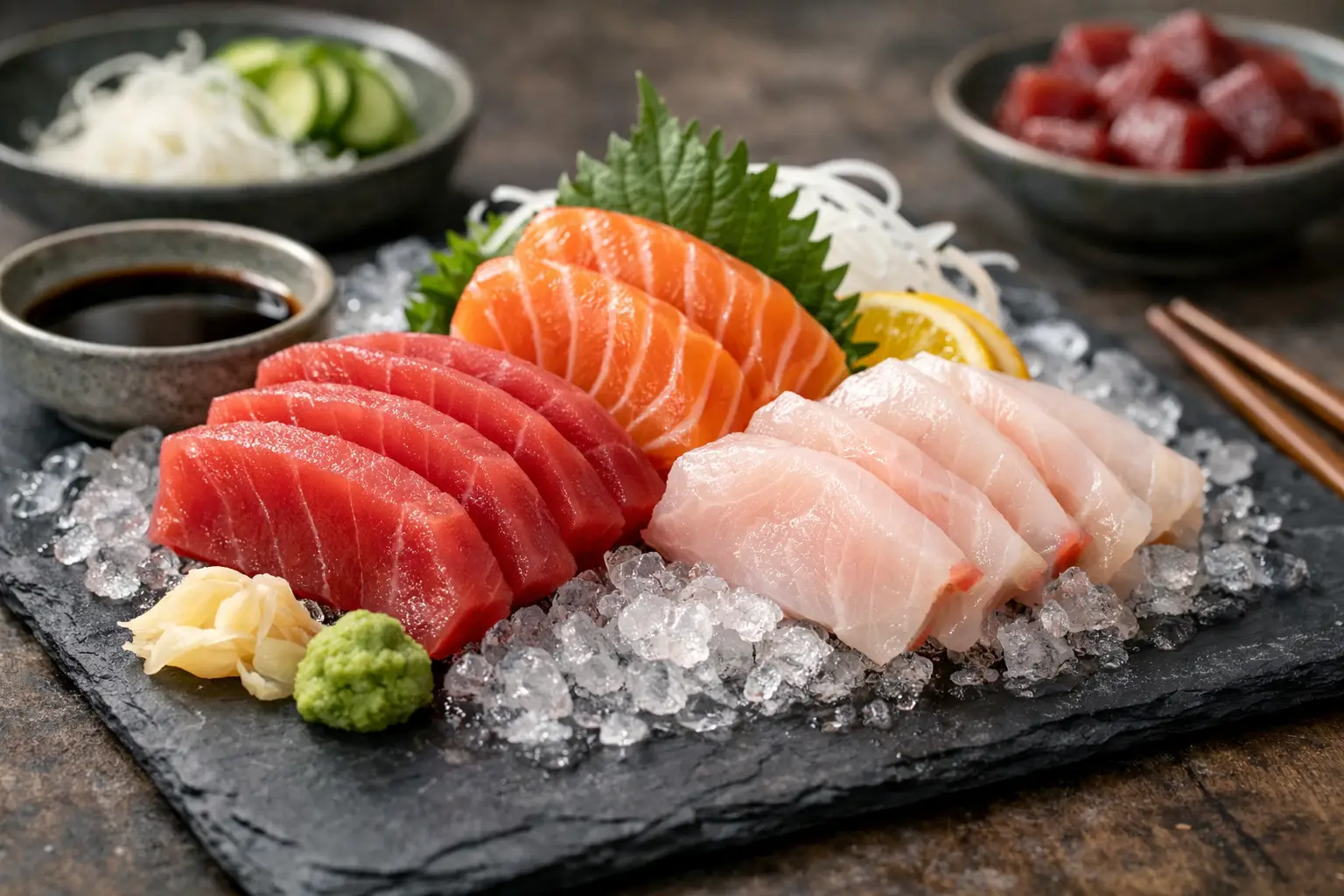
You see a pristine slice of tuna laid over ice, glossy under the late-afternoon light, and the question comes fast: what is sashimi grade fish, really? It sounds official, almost regulatory, as if there were a universal stamp that guarantees a fish is meant to be eaten raw. In practice, the phrase is far more nuanced. It signals quality and intended use, but it is not a single legal standard in the way many diners assume.
That matters because sashimi is one of the purest expressions of seafood. There is nowhere to hide. No heavy sauce, no breading, no extended cooking. Just texture, temperature, aroma, cut, and the quiet confidence that the fish in front of you has been selected and handled with exceptional care.
What is sashimi grade fish supposed to mean?
At its simplest, sashimi grade fish is a market term used to suggest that a fish is suitable for raw consumption. The key word there is suggest. In the United States, there is no universal federal grading system that officially certifies fish as “sashimi grade” or “sushi grade” across the board. You will see the phrase used by seafood sellers, distributors, and restaurants, but the meaning depends on who is using it and how disciplined their sourcing and handling standards are.
In a premium dining setting, the term usually points to a combination of factors rather than one label. The fish should come from a trusted supplier, be exceptionally fresh in sensory terms, and be handled under strict temperature control from the moment it is caught through transport, storage, and service. In many cases, it should also meet freezing protocols intended to reduce parasite risk for raw consumption.
So if you are asking what is sashimi grade fish, the most accurate answer is this: it is fish chosen and processed with raw service in mind, but the phrase itself is not a magic guarantee.
Why the label can be misleading
The romance of sashimi often makes the terminology sound more absolute than it is. Diners understandably want certainty, especially when raw seafood is involved. But the seafood world works through sourcing standards, best practices, and supplier trust more than through a neat public-facing badge.
A fish can be called sashimi grade by one seller and not by another. One business may use the term carefully, applying it only to fish that has been frozen or handled specifically for raw dishes. Another may use it more loosely as a shorthand for premium quality. That gap is exactly why knowledgeable guests tend to look beyond the phrase and focus on the reputation of the restaurant or fish market.
This is also why high-end sushi and sashimi experiences feel so deliberate. The quality lives in the unseen details: the cold chain, the butcher work, the timing, and the discipline of service. Beautiful plating helps, of course, but precision is what protects both flavor and safety.
What actually makes fish appropriate for sashimi
Freezing protocols matter
For many species, freezing is a major safety step before raw service because it helps reduce the risk of parasites. FDA guidance outlines freezing conditions commonly used for fish intended to be eaten raw. There are exceptions, especially for some tuna species, but the principle remains important: raw fish service is not only about freshness. It is also about risk management.
This surprises many people. They imagine the best sashimi has never been frozen. In reality, freezing can be part of doing things properly. For certain fish, it is the more responsible choice.
Species matters too
Not every fish is equally suited to sashimi. Tuna and farm-raised salmon are common examples because they are widely used in raw preparations and, when sourced well, offer the texture and fat balance diners expect. Other species may be more variable, more delicate, or more prone to parasite concerns.
That is why a serious restaurant does not decide based on what looked good at the dock that morning alone. It evaluates species, origin, fat content, seasonality, and intended preparation. A slice of sashimi should feel effortless on the plate, but there is a great deal of judgment behind that ease.
Handling is everything
If there is one factor diners should respect, it is handling. Fish intended for sashimi must be kept at precise temperatures and processed in hygienic conditions by people who know exactly what they are doing. Even outstanding fish can be compromised by poor storage, cross-contamination, or inconsistent refrigeration.
For raw seafood, quality is cumulative. Every step matters, and one weak link can undo the rest.
What is sashimi grade fish in a restaurant context?
In a restaurant, the phrase usually reflects an internal promise rather than an external certification. It means the team has selected fish they are confident serving raw, based on supplier relationships, product specs, handling standards, and culinary judgment.
That distinction is worth remembering when choosing where to order sashimi. The best question is not whether a menu uses the phrase. It is whether the restaurant has the standards to make that phrase meaningful.
A refined sushi experience depends on more than ingredient cost. It depends on consistency. The fish should arrive with clean aroma, luminous color, and the right texture for the cut. It should be stored with almost obsessive care. It should be served at the proper temperature, not too cold to mute flavor and not so warm that the structure softens too quickly. In a destination dining setting, where atmosphere, service, and visual beauty meet serious culinary technique, those details become part of the luxury.
How to tell if a place takes raw fish seriously
You do not need to interrogate the chef, but a few signals are revealing. First, pay attention to the menu itself. Restaurants that specialize in sushi and sashimi usually curate species with intention rather than offering an overly broad raw selection with little focus.
Second, notice the fish on the plate. High-quality sashimi should look clean and glossy, not wet, dull, or ragged at the edges. The cut should be precise. Texture should feel composed and elegant, never mushy or stringy.
Third, trust the overall standard of the room. A restaurant that is meticulous about hospitality, temperature, pacing, and presentation is often meticulous where it matters most behind the scenes. In a polished coastal setting, where a meal is staged as a celebration of taste rather than a quick transaction, that care tends to show up in every detail.
Common myths about sashimi grade fish
One common myth is that “fresh” always means “never frozen.” For sashimi, that is not automatically true and sometimes not even desirable. Depending on the species, freezing may be part of proper handling.
Another myth is that expensive fish is automatically safe to eat raw. Price may reflect rarity, season, origin, or demand, but safety depends on sourcing and process.
A third misconception is that sashimi grade and sushi grade are different official levels. In most cases, they are simply marketing terms used somewhat interchangeably. The real differences lie in species, fat content, knife work, and the intended dining experience, not in a formal public grading ladder.
Should you buy sashimi grade fish for home?
You can, but this is one of those situations where confidence should come from expertise, not enthusiasm. If you are buying fish to serve raw at home, purchase only from a reputable fish market or supplier that explicitly sells fish for raw consumption and can explain how it was handled. Ask questions. Was it frozen according to recommended standards? When was it processed? How should it be stored and consumed?
The trade-off is simple. Preparing sashimi at home can feel elegant and intimate, but the margin for error is smaller than many people think. A restaurant dedicated to sushi and sashimi brings trained knife work, professional refrigeration, controlled sourcing, and repetition. That level of consistency is difficult to replicate in a vacation rental kitchen, no matter how beautiful the sunset may be.
Why this matters to the dining experience
When raw fish is treated with intelligence and restraint, the result is unforgettable. The first bite is cool and delicate, then suddenly rich. The sea arrives cleanly, without harshness. Texture becomes the story. That is the appeal of sashimi at its best – not just luxury, but clarity.
Understanding what is sashimi grade fish helps you order with better instincts. It moves the conversation away from a seductive label and toward the things that truly matter: sourcing, safety, precision, and trust. In a setting like Hanabi Seaside Sushi Milos, where the energy is effortless coastal elegance and every plate is designed to feel like a moment worth lingering over, that distinction matters.
The next time sashimi catches your eye, think less about the phrase itself and more about the hands behind it. The finest raw fish is never just a product. It is a chain of decisions, each one made with enough care that the final bite feels beautifully simple.


Pingback: Sashimi vs Nigiri Guide for Better Ordering - hanabimilos.gr