
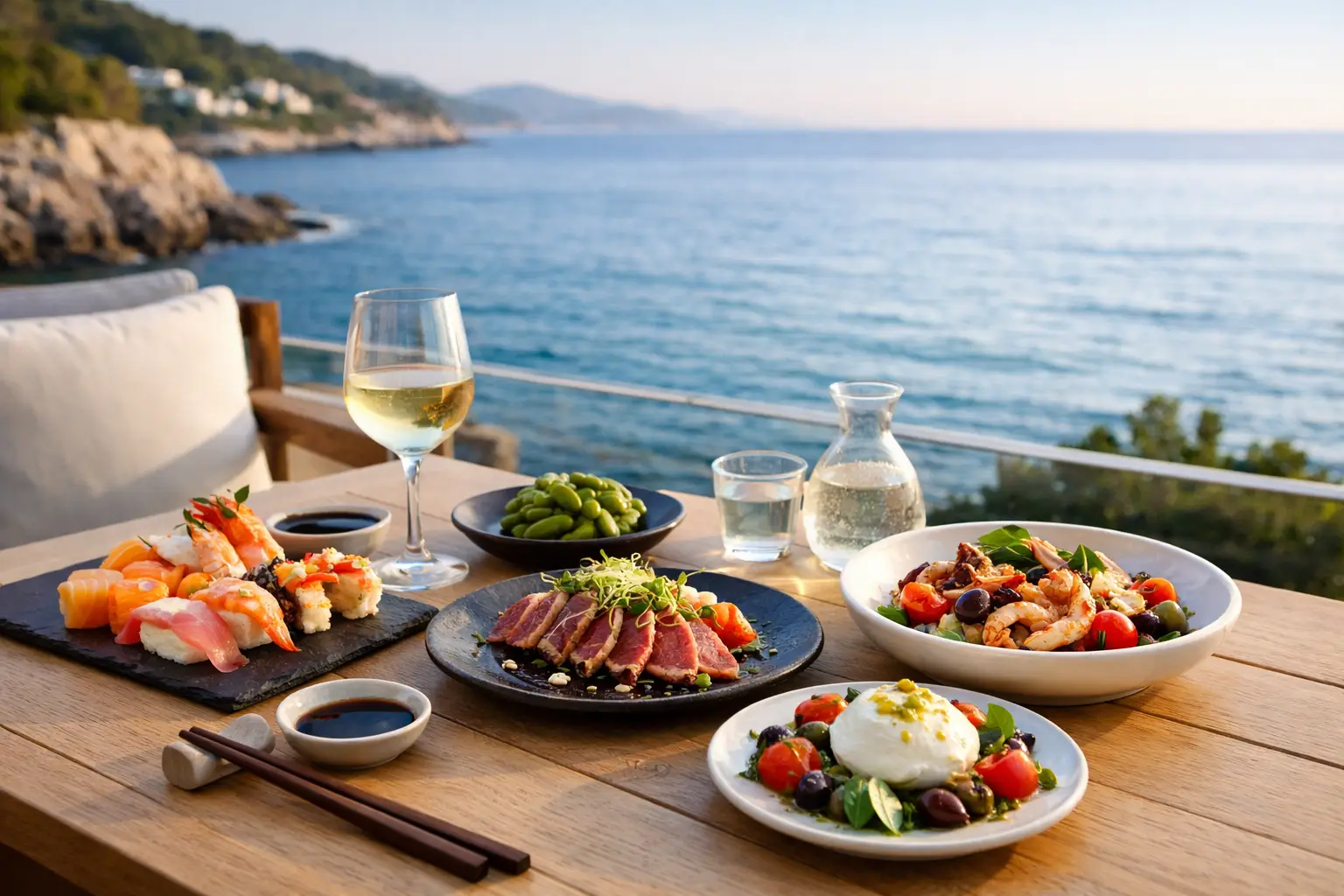
Japanese Mediterranean Dining by the Sea
The first thing you notice is not the menu. It is the light on the water, the salt in the air, the way a perfectly chilled glass feels colder when you are seated steps from the sea. That is the natural setting for Japanese Mediterranean dining – a style of eating that feels polished, vivid, and unmistakably made for long lunches, sunset reservations, and evenings that stretch a little later than planned.
For guests who want more than a standard dinner out, this approach has real pull. It offers the precision and restraint of Japanese cuisine, then softens it with the warmth, color, and generosity of the Mediterranean table. The result is elegant without feeling stiff, indulgent without becoming heavy, and ideal for travelers who choose restaurants as part of the destination itself.
What makes Japanese Mediterranean dining so appealing
At its best, Japanese Mediterranean dining is a study in balance. Japanese technique brings clarity. You taste the quality of the fish, the texture of the rice, the exactness of the cut, the discipline behind a clean plate. Mediterranean influence adds brightness and ease – citrus, herbs, olive oil, grilled vegetables, fresh seafood, and a more relaxed rhythm of dining.
This is why the style feels so current. Many upscale diners want food that is luxurious but still fresh. They want flavor with detail, not excess. They want a table that can move naturally from sashimi to a cooked seafood plate, from a signature roll to a crisp glass of wine, from afternoon cocktails to dinner under a changing sky.
There is also an emotional reason it works. Japanese cuisine often creates a sense of ceremony. Mediterranean dining brings sociability and warmth. Together, they create a meal that feels curated and celebratory at the same time.
Japanese Mediterranean dining on an island feels different
Place matters here. A coastal location is not just a backdrop for this cuisine. It sharpens the entire experience.
When seafood is central to the menu, being by the water creates immediate credibility and atmosphere. Raw selections feel more intuitive. Lighter dishes feel more satisfying. A cocktail before dinner makes more sense when the table faces the sea and the pace of the evening slows naturally.
On an island like Milos, that effect becomes even stronger. The landscape already carries a sense of escape, and the food should rise to meet it. Japanese-Mediterranean flavors belong in that setting because they mirror what guests are looking for – refinement without formality, beauty without effort, and a meal that feels worthy of the view.
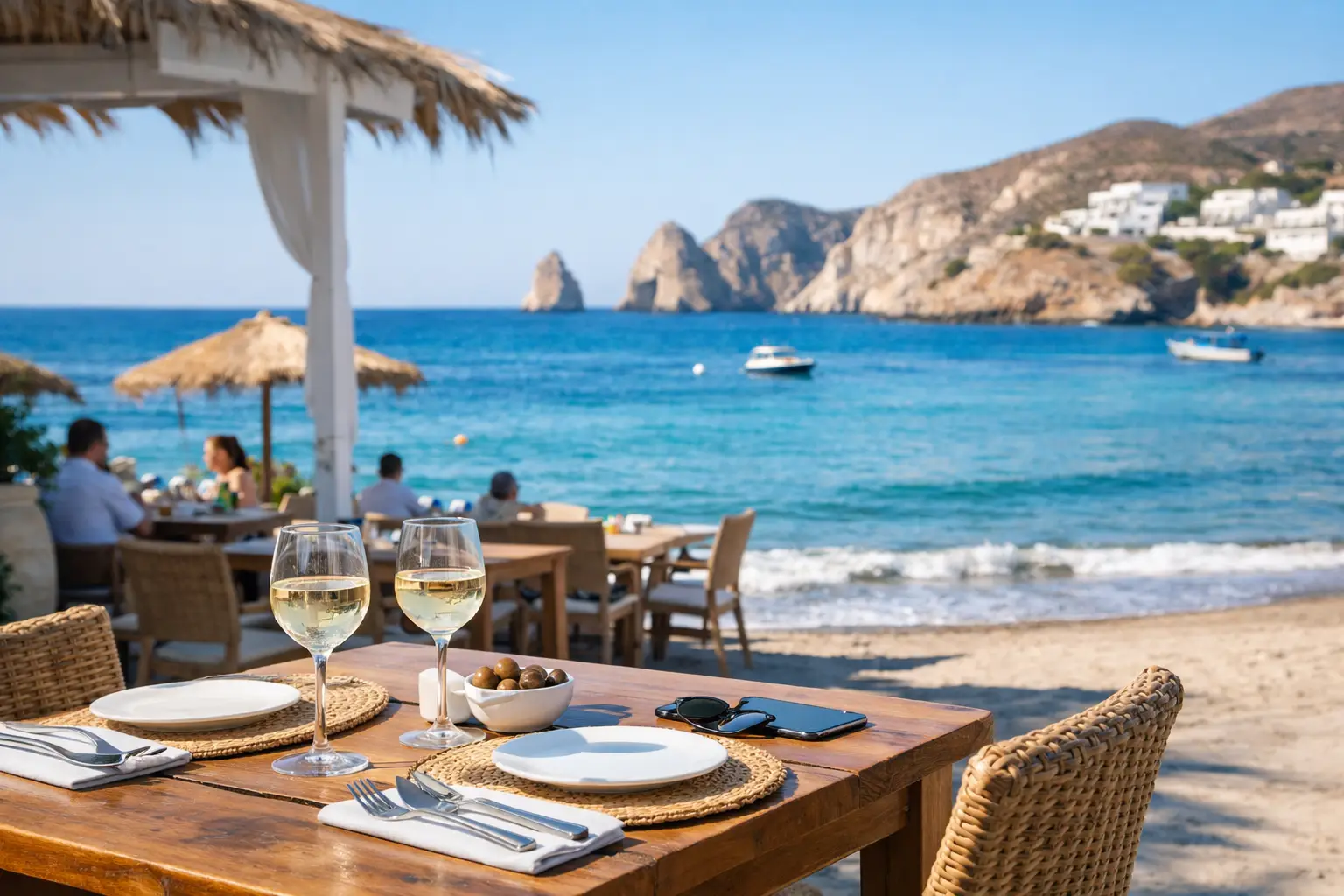
A beachside restaurant that understands this does more than serve food. It frames the day. Brunch turns into a social occasion. A sushi stop becomes a stylish pause between swims and sunset plans. Dinner becomes the main event.
The menu language: clean, bright, and designed for pleasure
The menu in a Japanese Mediterranean concept should feel versatile, not confused. That distinction matters.
The strongest versions do not pile unrelated influences onto one table. Instead, they build a coherent mood through ingredients and pacing. Sushi and sashimi sit naturally alongside delicately cooked seafood, composed plates with fresh herbs and citrus, and cocktails that echo the same crisp, sunlit profile.
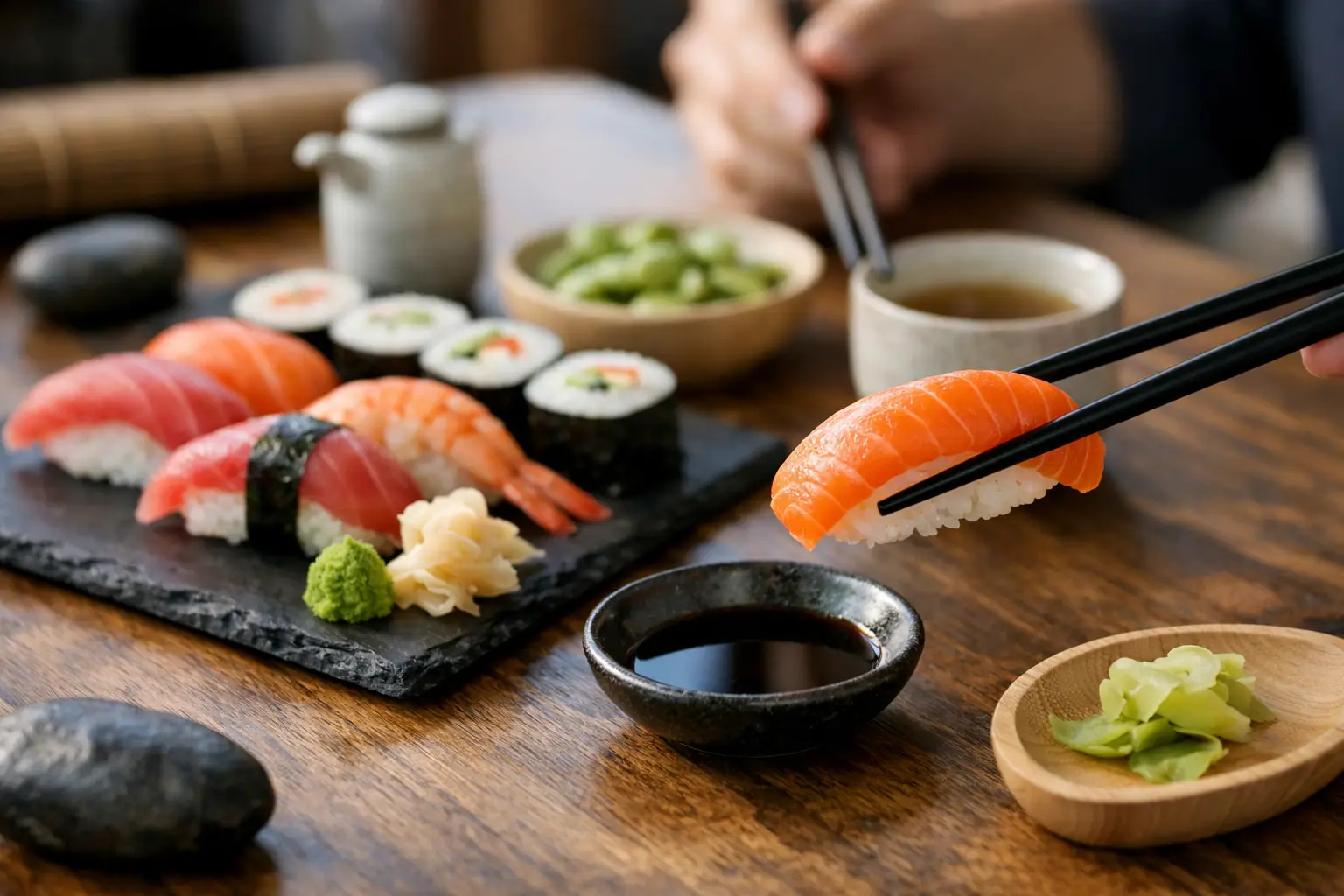
A dragon roll, for example, works because it delivers familiar indulgence with visual drama. Sashimi works because it lets quality speak plainly. A sauteed sea bass fits the same world when it is handled with restraint and finished with Mediterranean freshness rather than heavy garnish or unnecessary complexity.
This is where thoughtful fusion separates itself from trend-driven fusion. Not every Japanese ingredient belongs in a Mediterranean context, and not every Mediterranean accent improves a Japanese dish. The best menus know when to merge and when to keep things pure.
Why the experience matters as much as the food
Guests choosing this category are rarely choosing on cuisine alone. They are choosing how they want to feel.
That is especially true in premium hospitality. The setting, table spacing, soundtrack, service cadence, plating, glassware, and timing of each course all shape whether the meal feels elevated or merely expensive. Japanese Mediterranean dining performs best in spaces that understand atmosphere as part of the product.
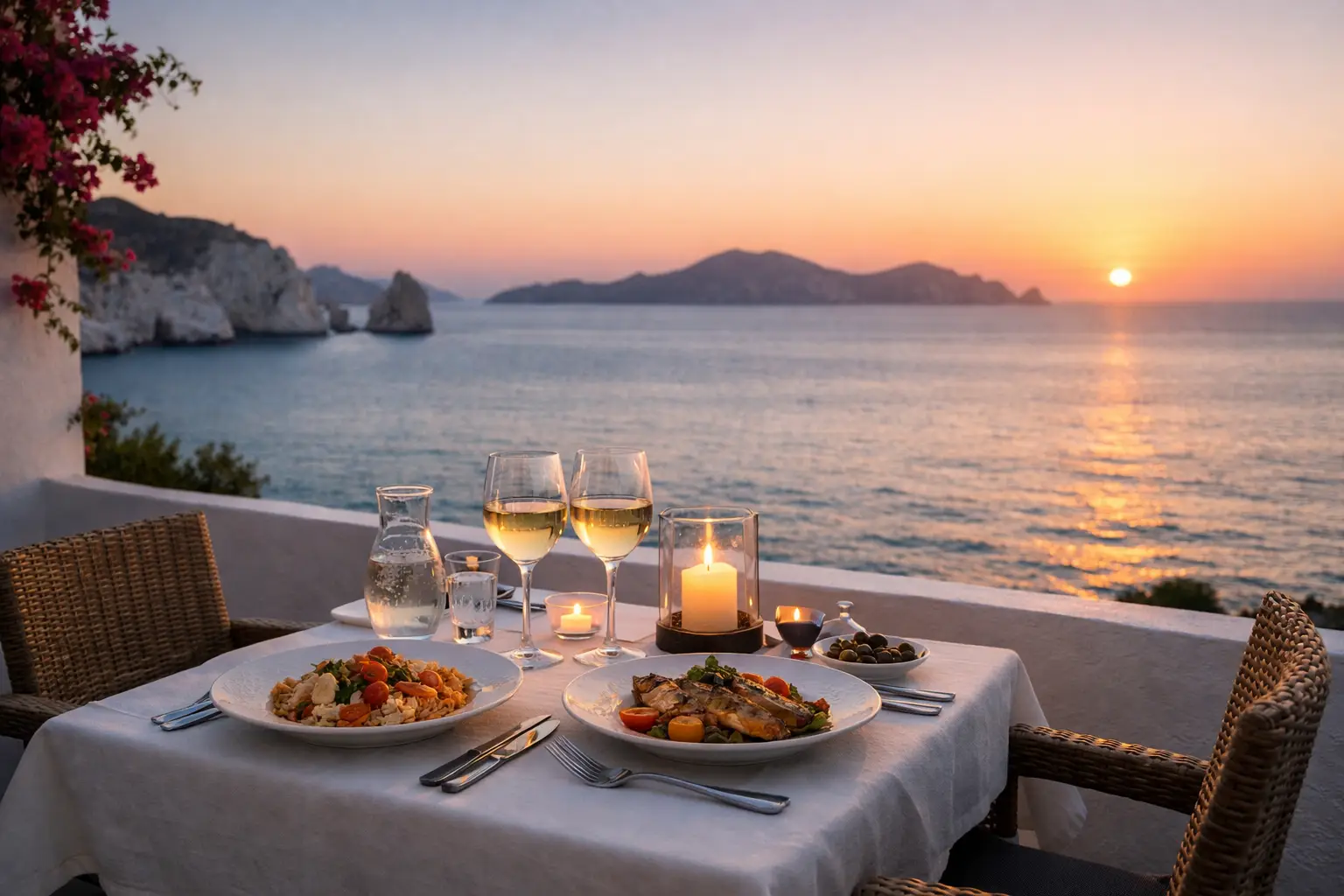
A refined seaside setting brings that to life almost effortlessly. Bright daylight suits brunch and lighter plates. Golden hour flatters sushi, champagne, and signature cocktails. Evening invites a slower sequence of sharing dishes, cooked entrees, dessert, and one more round that no one originally planned to order.
This is one reason guests are willing to book ahead for the right restaurant. They are not reserving calories. They are reserving mood.
Brunch to dinner: a format built for all-day dining
One of the most attractive qualities of this style is how naturally it extends across the day.
In the morning and early afternoon, a refined brunch can lean Mediterranean in spirit – fresh eggs, vibrant produce, premium coffee, chilled juices, and polished presentation – while still sitting comfortably within a broader Japanese-Mediterranean identity. By midday, sushi, sashimi, and lighter plates feel exactly right in the heat, especially when paired with crisp wine or refreshing cocktails.
By evening, the concept deepens. The menu can become more expressive, more sensual, more destination-driven. Signature rolls arrive as visual centerpieces. Seafood dishes gain warmth and richness. The bar program takes on a leading role. What began as a relaxed beach day shifts into a dinner with intention.
That flexibility is commercially smart, but it is also guest-friendly. People travel differently now. They look for places that can carry multiple moods without losing their point of view.
Pairing matters more than people think
Food-and-drink pairing is not an extra in this setting. It is part of the design.
Japanese flavors often reward precision in pairing. Mediterranean dining invites pleasure and abundance. Put them together, and the right wine or cocktail can sharpen every course.
A mineral white can lift sashimi and nigiri beautifully. A citrus-forward cocktail can brighten a rich roll. A rosé at sunset makes immediate sense beside seafood and small plates. Even where sake appears on the list, it should feel considered rather than obligatory. It depends on the menu, the time of day, and the kind of experience the guest wants.
That is the larger point. Luxury today is rarely about excess for its own sake. It is about curation. Guests notice when pairings feel intentional, when service can guide without overselling, and when each choice adds to the mood of the table.
Who this style is really for
Japanese Mediterranean dining speaks most clearly to guests who want taste and atmosphere in equal measure. That includes couples planning a sunset dinner, groups looking for a high-style lunch that turns into drinks, and travelers who build their itinerary around memorable tables rather than convenience.
It also appeals to diners with broad references. They know good sushi. They appreciate a strong cocktail list. They care about design and service. They want a restaurant with a distinct identity, not a menu trying to please everyone.
That said, there is a trade-off. Guests seeking purely traditional Japanese dining may prefer a more classic omakase setting. Diners craving rustic Mediterranean comfort may want something more casual and familiar. Fusion works best when the audience is open to nuance and expects a contemporary point of view.
A seaside expression of modern hospitality
In a destination restaurant, cuisine should never feel detached from place. It should echo the energy of the location while offering something elevated enough to justify the reservation.
That is what makes a setting like Hanabi Seaside Sushi Milos feel so compelling. The appeal is not just sushi, not just cocktails, not just the sea view. It is the way these elements come together into a stylish sanctuary where brunch, all-day sushi, fusion dinner plates, and sunset drinks form one continuous celebration of taste.
Japanese Mediterranean dining succeeds when every detail supports the same promise: freshness, beauty, confidence, and pleasure. It invites you to stay longer, order with curiosity, and let the meal become part of the trip rather than a pause within it.
If you are choosing where to book next, choose the table that feels like the evening already has a glow before the first plate arrives.
Αφήστε μια απάντηση