
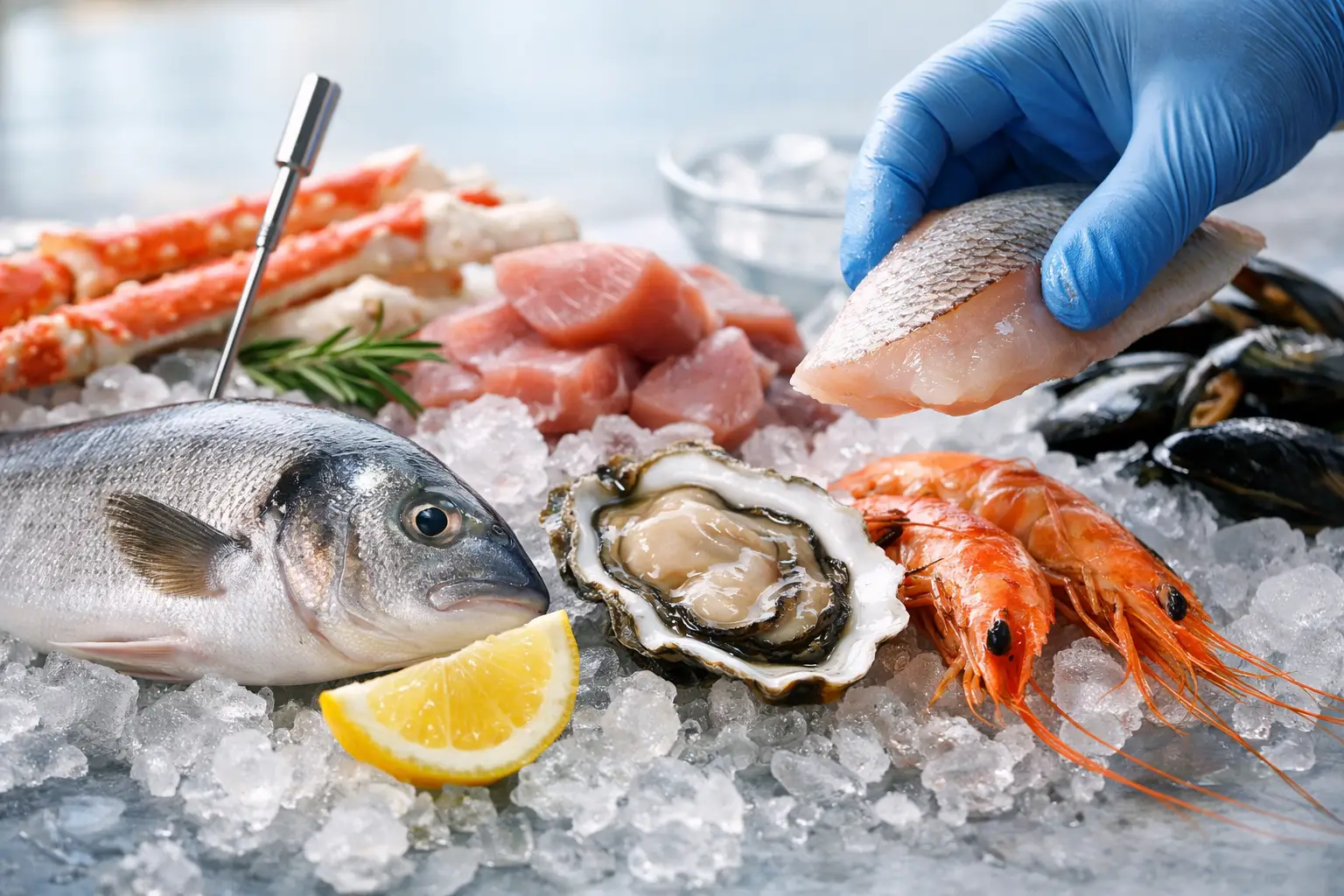
Seafood Freshness Indicators That Matter
A beautiful seafood plate can arrive looking immaculate, chilled just right, styled with precision, and still raise the wrong question if freshness is not beyond doubt. For anyone who loves sushi, sashimi, crudo, or refined coastal dining, seafood freshness indicators are not a technical footnote. They are the difference between confidence and hesitation, between a dish that feels luminous and one that falls flat before the first bite.
In a setting where raw fish, delicate shellfish, and lightly cooked seafood take center stage, freshness shapes everything – flavor, texture, aroma, and the quiet sense of trust that defines premium hospitality. The best seafood does not need to hide behind heavy seasoning or complicated presentation. It reads as clean, vivid, and alive with character.
Why seafood freshness indicators matter so much
Freshness is not only about food safety, although that is a non-negotiable part of the conversation. It is also about elegance on the palate. Exceptionally fresh seafood tastes sweet rather than dull, mineral rather than muddy, and precise rather than overly fishy.
That distinction matters even more in sushi and sashimi, where very little stands between the ingredient and the guest. Rice temperature, knife work, and balance all matter, but if the fish is not pristine, every other detail becomes secondary. In fusion cooking, freshness still leads. A beautifully seared sea bass or a composed seafood plate can carry citrus, herbs, or umami-rich sauces, yet the ingredient itself must still feel clear and clean.
For guests, recognizing a few genuine signs of quality makes dining more informed and more pleasurable. It also helps separate real excellence from surface-level polish.
The seafood freshness indicators you can actually trust
Some indicators are immediate. Others require context. The key is to read seafood as a whole rather than relying on one detail alone.
Aroma should be clean, never aggressive
The first and most telling cue is smell. Fresh seafood should remind you of ocean air and clean saltwater, not of anything sour, stale, or sharply fishy. A strong odor is often the first sign that quality has started to decline.
There is nuance here. Different species have naturally different aromatic profiles, and shellfish can smell more briny than lean white fish. But the general rule holds – fresh seafood smells clean. If the aroma feels heavy or lingering in an unpleasant way, that is a warning sign.
Texture reveals more than appearance alone
Fresh fish should feel firm, resilient, and finely structured. When pressed gently, the flesh should spring back rather than stay indented. Softness, mushiness, or separation in the flesh can suggest age, poor handling, or temperature abuse.
This matters enormously in raw preparations. Tuna should feel sleek and dense, salmon supple but not slack, and white fish polished in texture rather than cottony or watery. In cooked dishes, freshness still shows itself through the bite. Fresh seafood holds shape and tenderness at once. Older seafood often turns mealy, dry, or oddly spongy.
Color should look vivid, not exaggerated
Color is useful, but only when interpreted carefully. Fresh fish should appear vibrant and species-appropriate. Tuna may be ruby to deep red, salmon can range from soft coral to richer orange, and white fish should look translucent and clear rather than dull or chalky.
Still, color alone can mislead. Lighting, preparation style, and species variation all affect appearance. Some guests assume brighter always means fresher, but that is not universally true. The better question is whether the color looks natural, even, and luminous rather than faded, browned, or artificially striking.
Moisture is a good sign. Sliminess is not
Fresh seafood should have a natural sheen. Fish should look moist and glossy, not dry around the edges. Shellfish should also appear hydrated and alive in texture.
What you do not want is a sticky or thick surface film. A little natural moisture is part of freshness. Excess slime, however, often signals deterioration. This is one of those it-depends distinctions where experience helps, because seafood should never look desiccated, but over-wet and tacky is not a luxury cue either.
Fresh eyes, bright gills, intact shellfish
When whole fish or shell-on seafood is visible, classic quality markers become especially useful.
Eyes should be clear and full
Whole fish should have bright, clear, slightly bulging eyes. Cloudy, sunken, or dull eyes usually suggest that the fish is no longer at peak freshness. This is one of the oldest seafood freshness indicators because it is easy to spot and usually reliable.
Gills should be richly colored, not brownish
If you can see the gills, they should appear red or pink and clean, not slimy, gray, or brown. Gills change quickly as fish ages, which is why professionals still use them as a practical reference point.
Shellfish should be alive until cooking, when required
For oysters, clams, and mussels, freshness often means the shellfish should be alive before preparation. Shells should be closed, or should close when tapped. If they remain open and unresponsive, they may no longer be safe to serve.
With shrimp, lobster, and crab, the shell should look glossy and intact, without a strong ammonia-like smell. The flesh should be firm and sweet-smelling. Any harsh chemical odor is a clear red flag.
Seafood freshness indicators in sushi and raw dining
In raw dining, the margin for error is smaller and standards must be higher. That does not mean guests need to inspect every cut like a buyer at a market. It means the dining experience itself should communicate discipline.
Temperature is one cue. Raw seafood should arrive properly chilled, never lukewarm. Knife cuts should be clean, with surfaces that look smooth rather than torn. The fish should hold its shape elegantly on the plate, whether in nigiri, sashimi, or a composed roll.
Taste is another indicator, and perhaps the most memorable one. Fresh raw fish tastes subtle, lightly sweet, and almost creamy in the right cut. It should not leave a metallic, overly fishy, or bitter aftertaste. Premium sushi feels quiet and precise. Nothing in it should fight for reassurance.
Sourcing and handling matter as much as the plate
Some of the most important freshness cues are not visual at all. They live in sourcing, storage, and kitchen standards.
A serious restaurant pays close attention to supplier relationships, delivery schedules, temperature control, and rotation. Seafood can be high quality at purchase and still lose its integrity through poor handling. That is why trust in the venue matters.
In a premium seaside setting, guests should expect more than a beautiful plate. They should expect intention behind every detail – proper refrigeration, precise prep, and a menu that respects seasonality and species suitability. A refined dining experience is built on this invisible discipline.
For this reason, asking where seafood comes from or how often it is delivered is not excessive. It is part of understanding quality. Restaurants that take pride in freshness usually answer with clarity, not vagueness.
What guests often misunderstand about freshness
One common myth is that all fresh seafood should have no smell whatsoever. In reality, seafood should have a mild, clean marine aroma. Completely neutral is not the standard. Offensive is the issue.
Another misconception is that frozen means inferior. For certain species, especially those intended for raw service, carefully managed freezing can be part of best practice and safety protocols. Quality depends on timing, handling, and thawing, not on simplistic assumptions.
People also tend to judge by appearance alone. An artfully plated dish can look luxurious while hiding signs of mediocre quality. On the other hand, some of the finest seafood expresses itself quietly. Freshness is often less about drama and more about clarity.
Reading the full experience
The most reliable way to assess seafood freshness indicators is to notice how all the cues work together. The aroma is clean. The texture is firm. The color looks natural and bright. The temperature is right. The flavor is polished and precise.
In an elevated dining environment, that coherence should feel effortless. A destination known for sushi, fusion cuisine, and coastal elegance should make freshness feel inseparable from the experience itself. At Hanabi Seaside Sushi Milos, that expectation is part of the pleasure – seafood presented with restraint, confidence, and the kind of care that lets each ingredient speak clearly against the backdrop of sea, light, and atmosphere.
The next time a seafood dish reaches your table, take a moment before the first bite. Notice the scent, the shine, the structure, the temperature. Freshness is not a hidden detail. It is the first luxury you taste.


Αφήστε μια απάντηση