
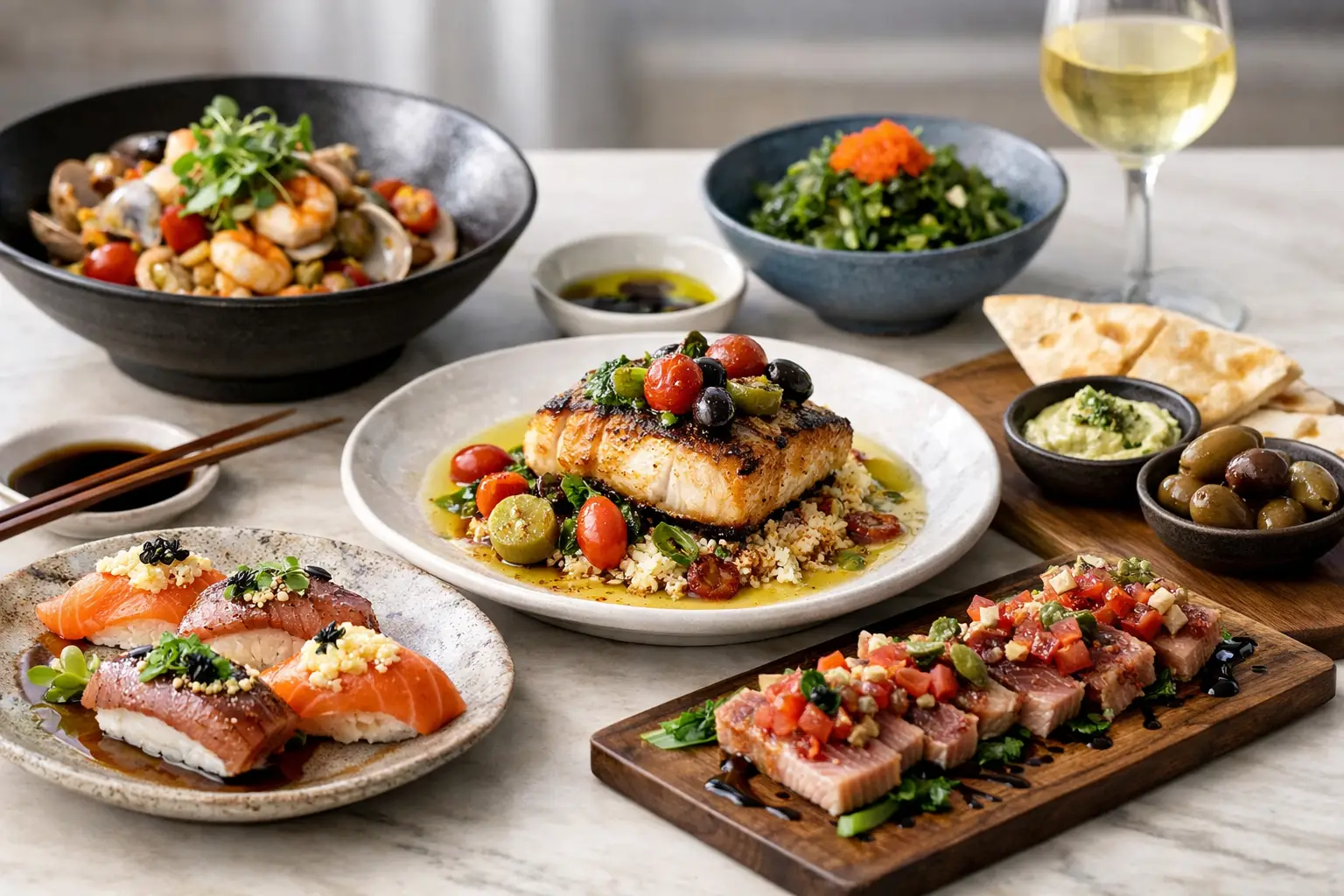
A Japanese Mediterranean Fusion Menu to Crave
The best tables by the water do more than serve dinner – they set a mood before the first plate lands. A japanese mediterranean fusion menu captures that feeling perfectly, pairing the precision of Japanese cuisine with the brightness, warmth, and sunlit generosity of the Mediterranean. The result is not a trend for trend’s sake. It is a style of dining that feels polished, expressive, and deeply suited to long lunches, sunset cocktails, and nights that deserve one more round.
At its best, this kind of menu is about balance. Japanese technique brings clarity, restraint, and respect for ingredients. Mediterranean cooking adds olive oil, citrus, herbs, char, and an instinct for sharing. Together, they create food that feels clean yet indulgent, refined yet easy to enjoy in a social setting. That tension is exactly what makes the format so appealing for guests who want more than a standard sushi dinner or a predictable seafood meal.
Why a Japanese Mediterranean fusion menu works so well
There is a natural chemistry between these two culinary worlds. Japanese cuisine is built on detail – sharp knife work, exact seasoning, and textures that remain distinct on the palate. Mediterranean cuisine is more expansive, often brighter and more aromatic, with ingredients like lemon, capers, basil, oregano, tomato, tahini, and grilled vegetables adding movement and depth.
When combined with intelligence, the flavors do not compete. They sharpen one another. Rich toro becomes even more luxurious with a touch of citrus and good olive oil. Delicate white fish gains dimension from herbs and subtle smoke. Rice, seaweed, and soy-based elements meet ingredients like eggplant, yuzu, saffron, fennel, and preserved lemon in ways that feel current rather than forced.
Of course, not every fusion plate succeeds. The line between creative and crowded is thin. A strong menu knows when to hold back. If every dish tries to prove a concept, the experience starts to feel busy. The most memorable japanese mediterranean fusion menu keeps a clear point of view and lets each ingredient breathe.
What you want to see on the menu
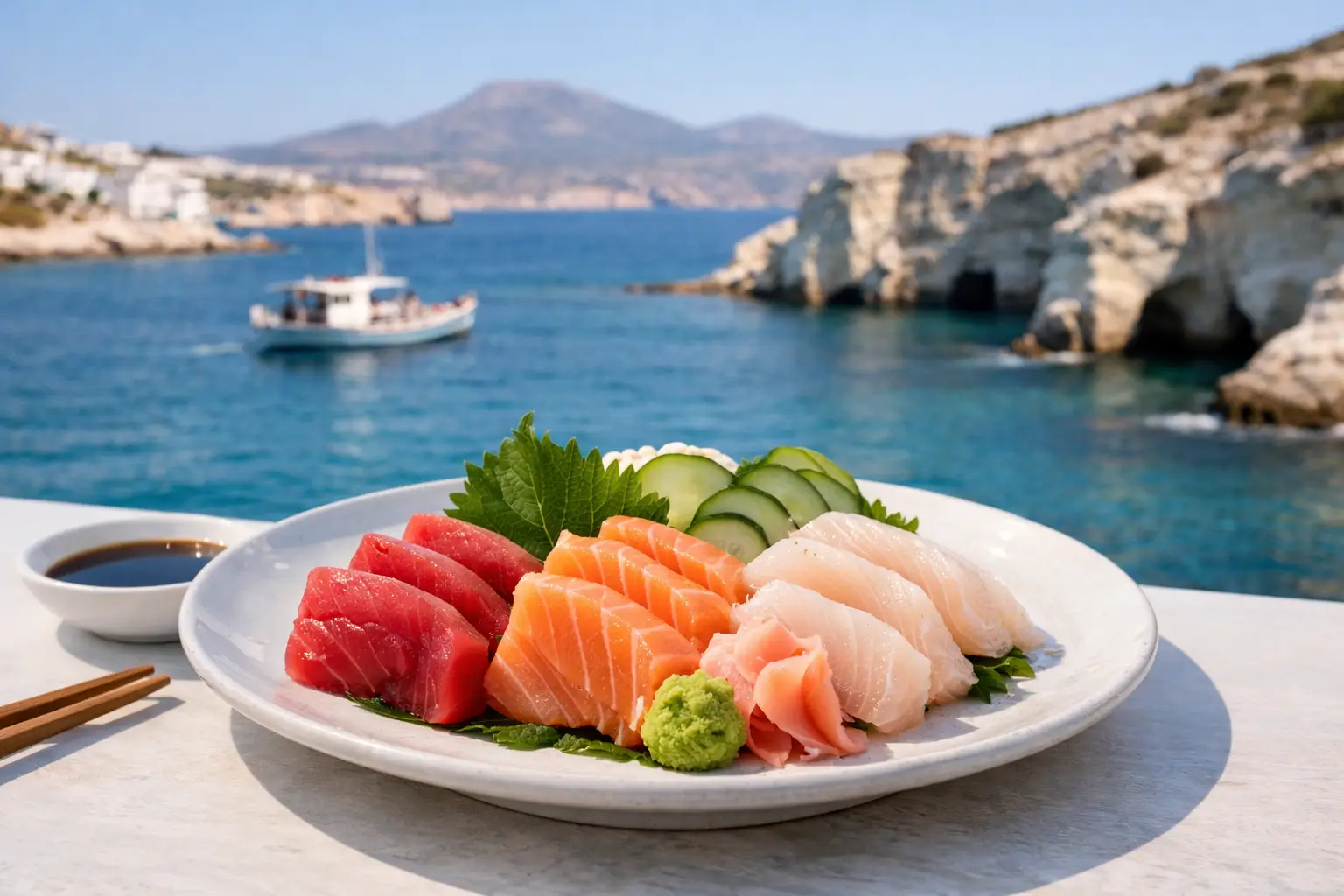
A compelling menu in this category usually begins with raw and lightly dressed dishes that highlight freshness. Think sashimi with citrus ponzu and Mediterranean olive oil, or crudo lifted by sea salt, fresh herbs, and a restrained touch of heat. These plates feel especially right in a seaside setting because they echo the clarity of the landscape – bright, clean, and quietly luxurious.
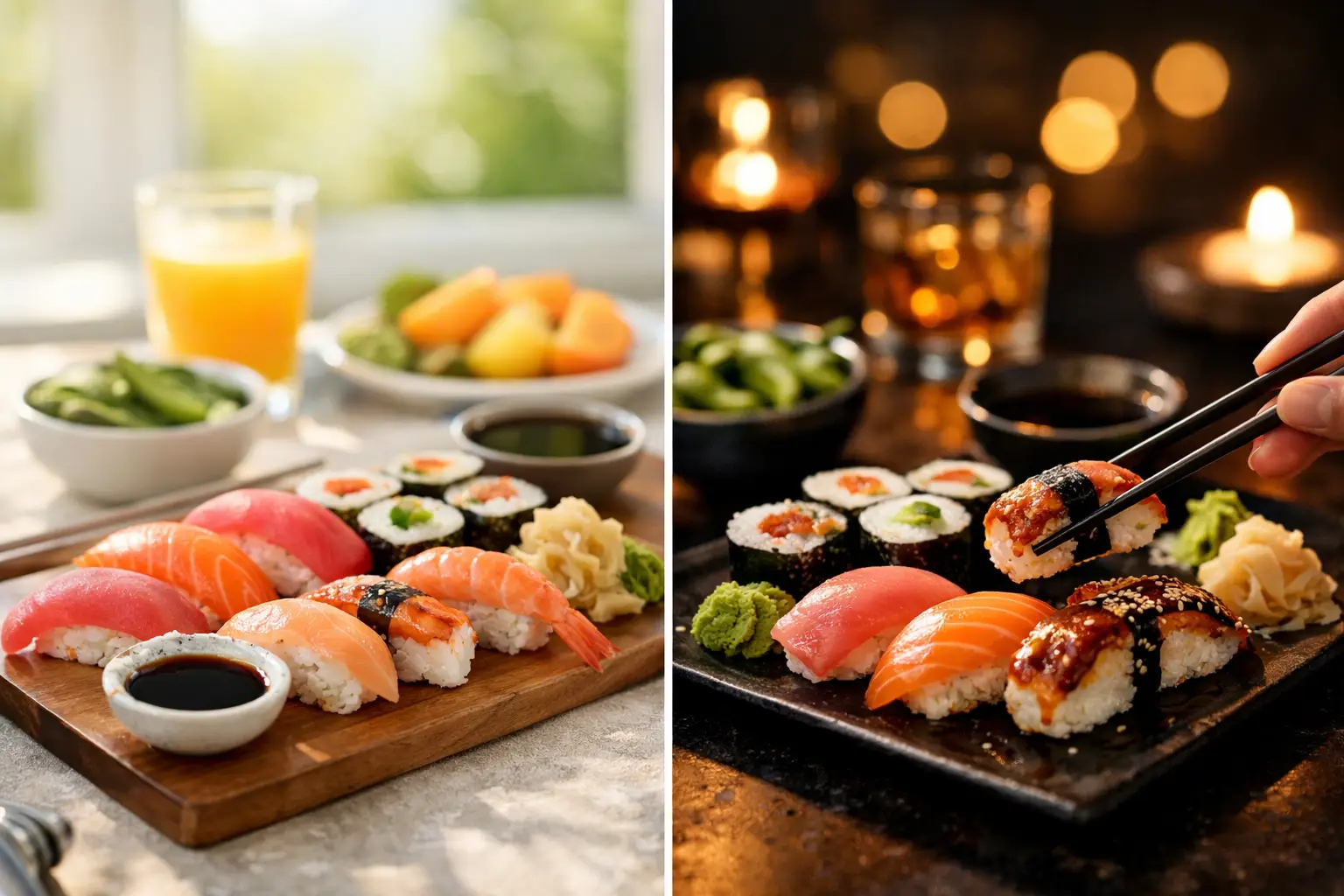
Sushi remains central, but the expression changes. Rolls may include premium seafood, avocado, cucumber, or tempura elements, then gain a Mediterranean accent through lemon zest, herb-forward dressings, or a more nuanced use of spice. Signature rolls often become the bridge between the two cuisines because they allow texture, acidity, and richness to sit together in one bite.
Warm small plates are where the category gets especially interesting. Shrimp tempura with saffron aioli, miso-glazed eggplant with tahini, seared scallops with citrus butter, or tuna tataki with capers and fine herbs all make sense when the kitchen understands proportion. The aim is not to stack references from different regions. It is to create plates that feel coherent, elegant, and easy to pair with wine or cocktails.
Main dishes tend to lean into fish, shellfish, and lighter proteins. Sea bass, salmon, grilled prawns, and premium cuts cooked with Japanese precision but layered with Mediterranean brightness often define the evening menu. A sauteed sea bass, for example, can carry the silky depth expected from a refined Japanese kitchen while still feeling perfectly at home beside seasonal vegetables, olive oil, and citrus notes.
The role of atmosphere in the experience
This cuisine is not just about flavor. It is also about setting. A japanese mediterranean fusion menu feels most convincing when it is served in a space that mirrors its contrasts – polished but relaxed, elevated but never stiff. Sea views, soft light, carefully paced service, and a room that moves naturally from daytime ease into evening glamour all make the food land differently.
That matters because guests choosing this style of restaurant are rarely looking for calories alone. They want a complete scene. They want a brunch that turns into cocktails, a sunset reservation that feels worth dressing for, a table where presentation, music, and service all support the meal. In a destination setting, this becomes even more powerful. The meal becomes part of the trip’s memory, not just one stop on the itinerary.
This is where a place like Hanabi Seaside Sushi Milos stands out. The appeal is not only the menu itself, but the way sushi, fusion plates, cocktails, and the shoreline come together as one curated experience. That kind of alignment is what turns dinner into a celebration of taste rather than a simple reservation.
Signature dishes that define the format
Every strong fusion menu needs a few dishes that guests remember instantly. In practice, those are often the plates that feel photogenic without becoming superficial. A well-made Dragon roll has that effect – bold in appearance, familiar enough to be approachable, and layered enough to feel occasion-worthy.
Sashimi platters also play an important role, especially when they are presented with a Mediterranean sensibility. The fish remains the focus, but subtle additions like citrus, herbs, or a premium olive oil can give the plate a softer, more sensual profile. It is a small shift, yet it changes the emotional tone of the dish from austere to inviting.
Then there are the crossover plates that define dinner service. Miso, flame, char, and sea salt meet produce and seafood associated with island dining. This is where guests often discover the menu’s personality. A memorable sea bass, a carefully composed shrimp dish, or a beautifully balanced warm appetizer can say more about the restaurant than any dramatic fusion concept ever could.
What to drink with it
Pairing matters more here than people expect. Japanese flavors can be subtle and layered, while Mediterranean accents bring acidity, herbaceousness, and salinity. That means the wrong drink can flatten the food, while the right one can make the menu feel complete.
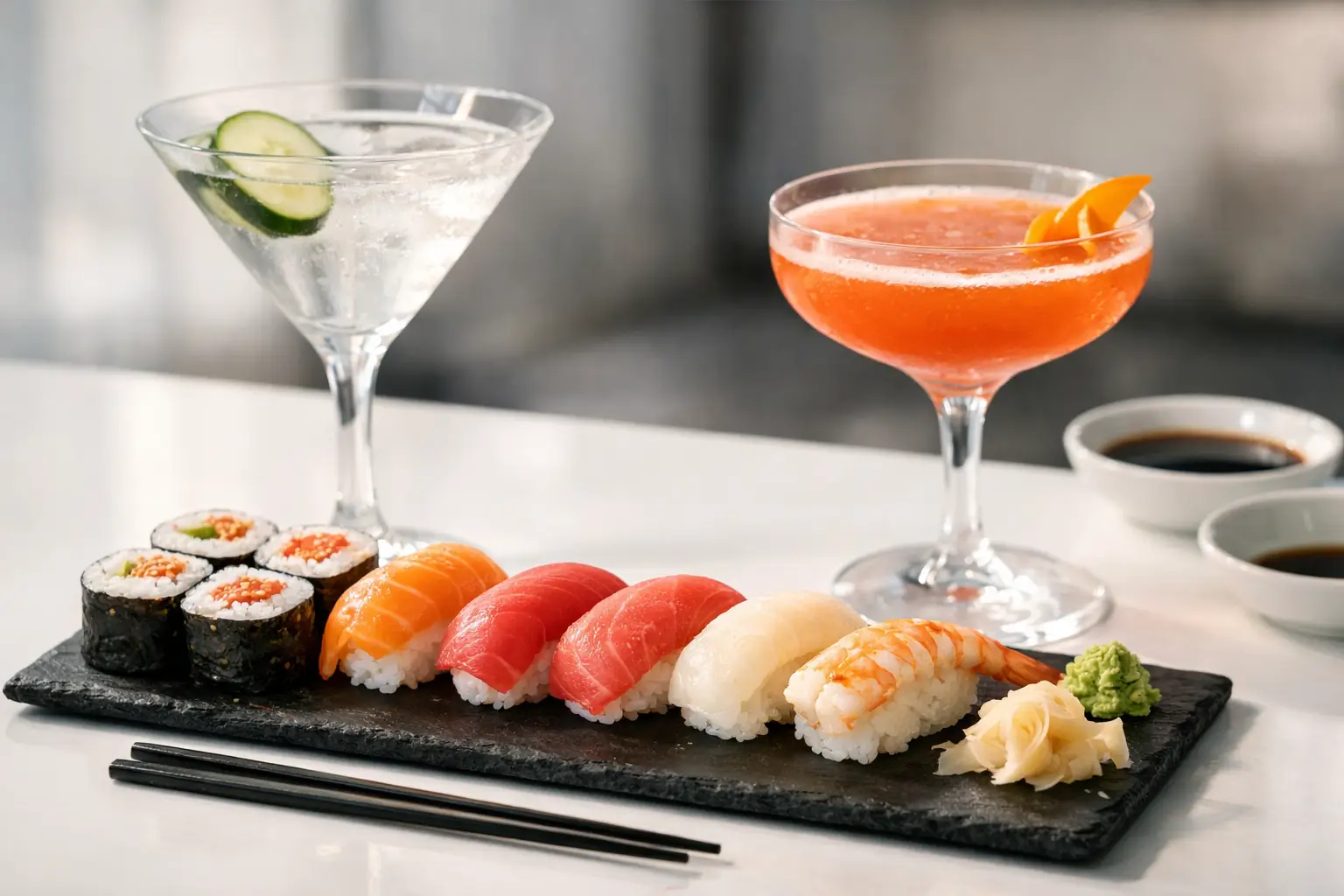
A crisp white wine works beautifully with sashimi, sushi, and most seafood-led plates, especially when citrus and herbs are involved. A mineral-driven bottle can mirror the freshness of the fish and the coastal setting at once. Cocktails, meanwhile, should feel bright and clean rather than overly sweet. Think measured acidity, fragrant botanicals, and enough structure to stand beside soy, spice, or char.
There is also a timing element to consider. Brunch beverages, aperitifs at golden hour, and a stronger cocktail later in the evening each support a different mood. In restaurants that understand lifestyle dining, the beverage program is not an afterthought. It is part of the rhythm of the day.
Who this menu is really for
A japanese mediterranean fusion menu speaks most directly to diners who appreciate detail but still want ease. It suits couples looking for a romantic table, groups who want shareable luxury, and travelers who choose restaurants as carefully as they choose hotels. It also appeals to guests who already know the basics of sushi and wine pairings and are ready for a more expressive, destination-driven version of both.
That said, there is a trade-off. If someone wants strictly traditional Japanese cuisine, fusion may feel too interpretive. If another guest wants a classic taverna-style Mediterranean meal, sushi-led structure may feel unfamiliar. The sweet spot is the diner who wants both discipline and atmosphere – someone who values flavor, presentation, and the feeling of being exactly where they should be.
What makes a menu memorable, not gimmicky
The difference comes down to restraint, ingredients, and confidence. A memorable menu does not pile on ideas. It edits well. It knows when a clean sashimi plate should stay almost untouched and when a signature roll can afford a more dramatic finish. It understands that luxury is often conveyed through freshness, temperature, texture, and timing rather than excess.
For guests, that means the best choice is usually the place where the concept feels lived in, not announced too loudly. You can taste when a kitchen genuinely knows how these flavors belong together. The experience feels fluid from the first cocktail to the final plate, and the menu reads like a point of view rather than a collection of experiments.
If you are choosing where to spend a long seaside lunch or a dressed-up dinner, look for the restaurant that makes this style feel effortless. When Japanese precision meets Mediterranean soul in the right setting, the meal does not just satisfy. It lingers, like salt on the skin after sunset, and quietly convinces you to book the next table before the night is over.
Pingback: Signature Cocktails Milos Lovers Should Try - hanabimilos.gr