
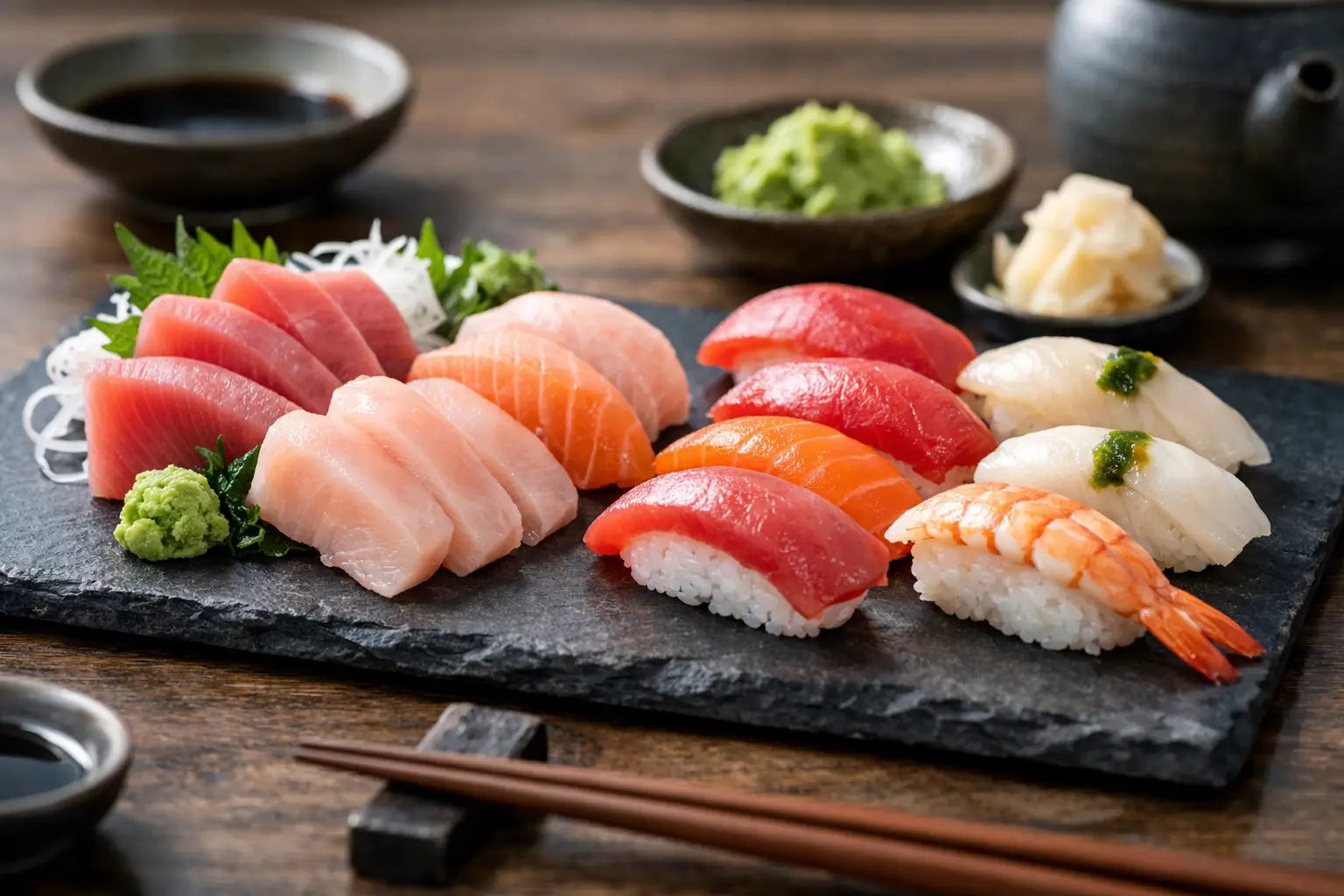
A Guide to Sushi and Sashimi Cuts
The first bite usually tells you everything. A piece of sashimi can feel cool, silken, and almost weightless, or rich enough to linger like butter on the palate. That difference is not just about the fish itself. A true guide to sushi and sashimi cuts starts with understanding how each slice shapes texture, flavor, and the entire rhythm of the meal.
When you sit down for sushi in a refined seaside setting, presentation may be the first seduction, but the cut is where craftsmanship quietly speaks. Thickness, angle, and grain all affect how the fish lands on the tongue. The same fillet can taste bright and clean in one cut, velvety and luxurious in another. Once you know what to look for, ordering becomes less about guesswork and more about choosing the mood of your plate.
Why sushi and sashimi cuts matter
In Japanese cuisine, technique is never separate from pleasure. A cut is not simply a practical way to portion fish. It is a decision about texture, temperature, and how flavor unfolds from the first second to the finish. Lean fish often benefit from a cleaner, more precise slice that keeps the taste sharp and elegant. Richer fish may be cut slightly thicker to emphasize their lush character.
That is why two pieces of tuna can feel completely different even when they come from the same fish. One may seem mineral and streamlined, while another tastes rounder and more indulgent. The cut controls resistance, mouthfeel, and even how soy, citrus, or wasabi interact with the surface.
For guests who appreciate elevated dining, this distinction matters. Knowing the language of cuts makes the experience more personal. You are not just ordering sashimi or nigiri. You are selecting a texture story.
A practical guide to sushi and sashimi cuts
Sashimi is the purest expression of the cut because there is no rice to soften or redirect the texture. Every slice stands on its own. In most premium settings, sashimi is cut to flatter the fish rather than follow a rigid formula, but several classic approaches appear again and again.
Hira-zukuri is the cut many people picture first. It is a rectangular, fairly standard sashimi slice, usually around a quarter inch thick. Clean, balanced, and elegant, it works beautifully for fish like tuna or salmon. It offers enough body to enjoy the fish’s natural texture without feeling heavy.
Usu-zukuri is much thinner, almost translucent when done well. This cut is often used for delicate white fish because it creates a lighter, more refined sensation on the palate. The flavor feels subtle at first, then quietly expands. It is the kind of cut that suits a slower meal, one where detail matters.
Sogi-zukuri is cut at an angle, creating a broader surface area. This can make each piece feel softer and more graceful, especially with firmer fish. Because the slice spreads wider across the tongue, seasoning becomes part of the experience in a different way. A touch of ponzu or citrus can feel more integrated rather than simply added on top.
Kaku-zukuri is a thicker, cube-like cut. It is less common in mainstream sushi dining, but when used thoughtfully, it can highlight fish with structure and presence. The mouthfeel is more substantial, sometimes almost meaty. For some diners that is deeply satisfying. For others, it may feel too dense. This is where preference truly comes in.
How cuts change the experience of familiar fish
Tuna is one of the clearest examples of why cuts matter. Lean akami, especially when sliced in a classic hira-zukuri style, tastes clean and almost architectural. It has focus. Chutoro and otoro, with their higher fat content, often shine when the cut allows a little more thickness. Too thin, and the richness disappears too quickly. Too thick, and it can feel excessive. When balanced properly, the slice melts without losing definition.
Salmon behaves differently. Its soft, fatty texture already gives it a lush character, so the cut needs restraint. A well-cut salmon sashimi slice should feel smooth and generous, but never floppy or overly thick. In nigiri, salmon often benefits from a cut that drapes neatly over the rice, creating a bite that is fluid rather than bulky.
White fish such as snapper or sea bream often reveal their beauty through thinner or angled slicing. These fish are more subtle by nature. A heavy cut can make them feel plain, while a precise, delicate slice brings out sweetness and a whisper of brininess. That is often where true finesse shows.
Yellowtail sits somewhere in the middle. It has richness, but also a fresh, clean finish. Cut too thin, it may lose character. Cut too thick, it can become oily. Done well, it offers one of the most balanced sashimi experiences – silky, cool, and polished.
Sushi cuts versus sashimi cuts
Rice changes everything. In sashimi, the fish carries the full responsibility of the bite. In sushi, especially nigiri, the cut must work in partnership with rice temperature, shape, and pressure.
A nigiri topping is often thinner and longer than a sashimi slice. It needs to fold over the rice naturally and create a unified bite. If the fish is too thick, the balance shifts and the rice disappears. If it is too thin, the sushi can feel incomplete. The best nigiri cuts are designed to let fish and rice dissolve together in one movement.
Rolls are different again. In maki or specialty rolls, fish may be sliced into strips for structure, diced for texture, or laid across the top for visual impact and richness. A premium roll often uses cut variation to create contrast – soft fish against crisp cucumber, creamy avocado against the snap of nori. Here, the cut is part of composition as much as craftsmanship.
What to notice when you order
If you want to order with more confidence, start by noticing how you like texture rather than focusing only on the type of fish. If you love clean, fresh bites, lean toward thinner or more precise sashimi cuts and lighter fish. If you enjoy a more indulgent sensation, richer fish with a slightly fuller cut will likely appeal to you more.
It also helps to think about the setting and the pace of your meal. A long lunch by the water may call for bright sashimi, crisp wine, and cuts that feel cool and effortless. Sunset dining can lean more luxurious – deeper flavors, silkier textures, and a more decadent sequence of nigiri and sashimi. The right cut does not exist in isolation. It belongs to a moment.
Another detail worth noticing is knife quality and freshness. A beautifully cut piece should look glossy, not torn or ragged. The edges should feel intentional. Poor cutting bruises fish and changes the mouthfeel immediately. Precision is visible before it is tasted.
The role of the chef’s judgment
Any honest guide to sushi and sashimi cuts should admit that rules are only part of the story. The best chefs adjust constantly. Seasonality, fat content, temperature, and even the exact section of the fish all influence how a piece should be cut. There is craft, but there is also intuition.
This is why premium sushi dining feels so distinct. You are tasting decisions, not just ingredients. A chef may slice one fish thinner to highlight its delicacy, then cut another on a sharper angle to create softness. What reaches the plate is the result of experience and restraint.
For diners, that means trust matters. Asking for recommendations is not a sign that you know less. It is often the smartest way to discover what is best that day. In a destination setting like Hanabi Seaside Sushi Milos, where the atmosphere is part of the pleasure and each course is meant to feel curated, those details become part of the luxury.
Choosing cuts for the kind of experience you want
If you are new to sashimi, begin with salmon, tuna, or yellowtail and notice whether you prefer lean clarity or richer texture. If you already know your way around a sushi menu, pay closer attention to cut style and ask how the fish is being presented. That small question can completely change what arrives at the table.
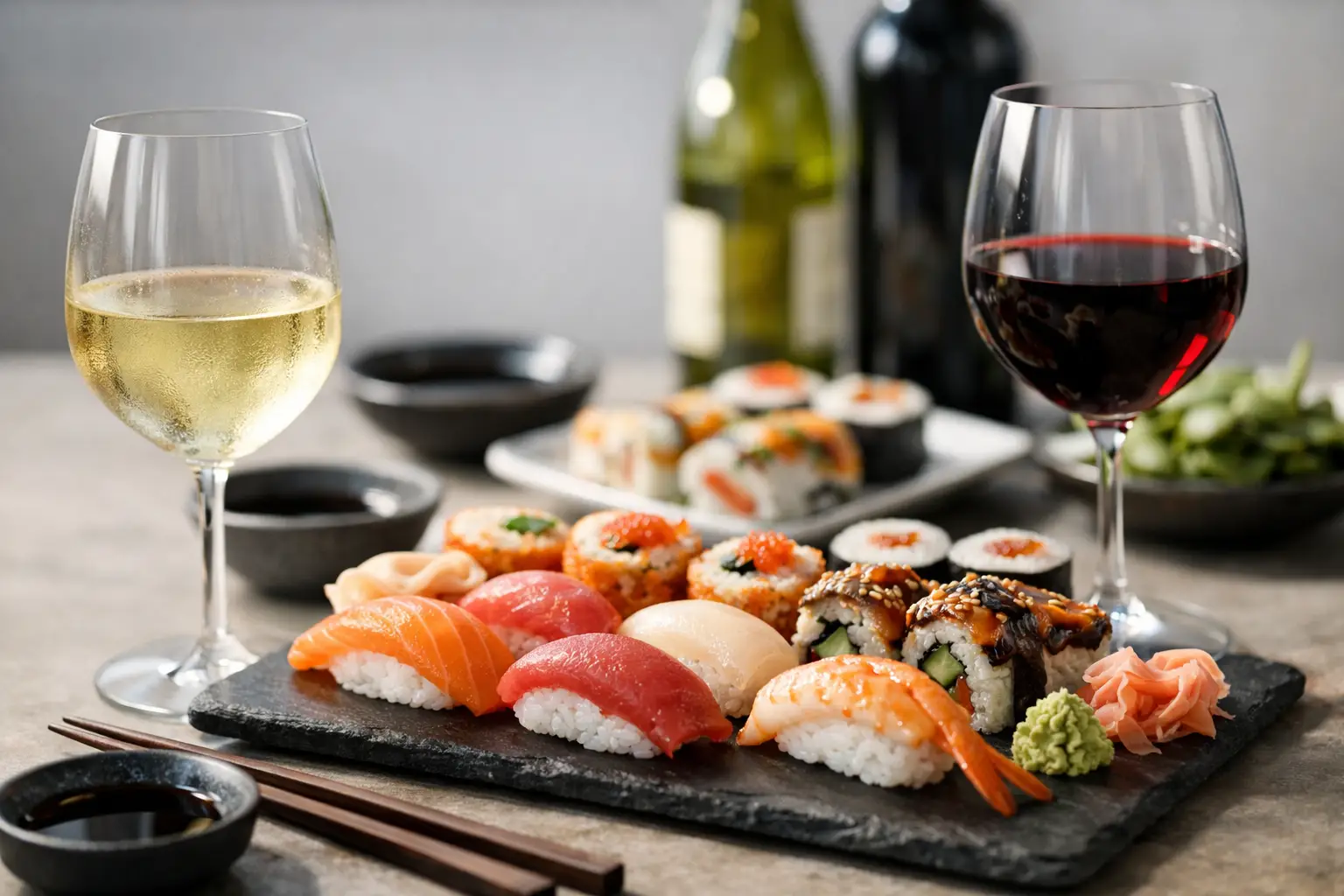
There is also no need to treat technical knowledge as a test. The pleasure of sushi is not in memorizing terms. It is in recognizing what speaks to you – translucent white fish with a chilled glass of wine, buttery toro at sunset, or a balanced progression from sashimi to signature rolls as the evening unfolds.
The more you understand the cut, the more intentional the meal becomes. And that is where sushi turns from something you order into something you truly experience.
The next time a plate arrives looking almost too beautiful to disturb, take a second before the first bite. Notice the angle, the thickness, the shine. That quiet detail is often where the entire story begins.


Αφήστε μια απάντηση