
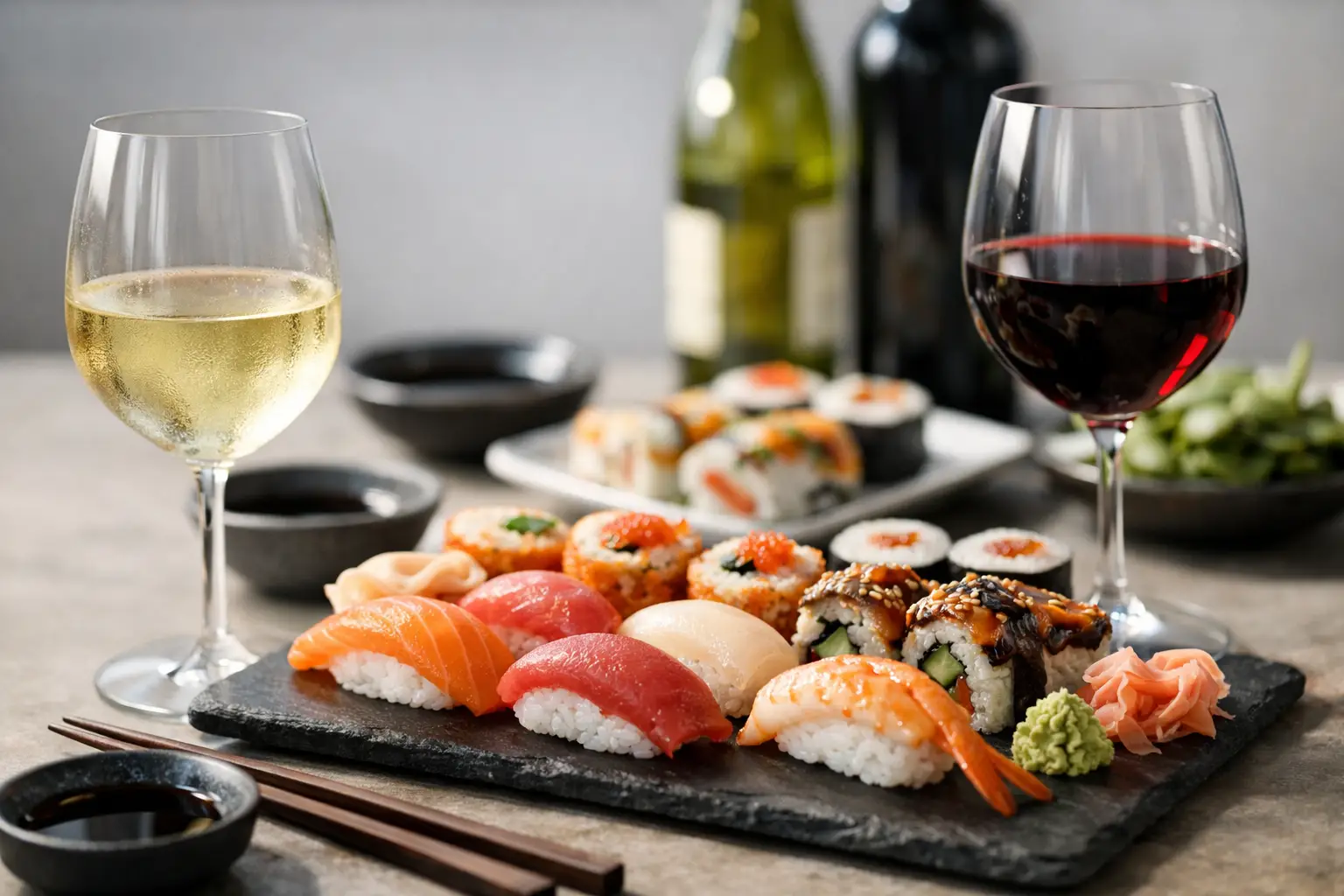
Wine Pairing With Sushi Dinner Done Right
Sunset, sea air, and a table filled with glistening sashimi, delicate nigiri, and artfully layered rolls – this is where wine pairing with sushi dinner stops being a technical exercise and becomes part of the evening’s mood. The right bottle does more than match the food. It sharpens freshness, softens richness, and gives the entire meal a more polished, memorable rhythm.
Sushi asks for precision. Rice brings vinegar and subtle sweetness. Fish offers salinity, fat, and clean ocean character. Soy sauce, citrus, spice, and creamy textures can shift the balance in an instant. That is exactly why wine can be such a rewarding companion. When chosen well, it brings lift and clarity without competing for attention.
Why wine pairing with sushi dinner feels so refined
There is a reason sushi and wine feel especially at home in a setting shaped by effortless coastal elegance. Both are built on restraint. Neither relies on heavy sauces or excess. The beauty is in detail – temperature, texture, freshness, and finish.
A successful pairing starts with understanding that sushi is not one flavor. Lean tuna behaves differently from buttery salmon. Yellowtail with jalapeno asks for something different than a clean piece of sea bream nigiri. A spicy roll, a lobster roll, and a plate of sashimi do not want the same wine, even if they share the same table.
That complexity is good news. It means there is room to curate the evening instead of defaulting to one safe bottle and hoping for the best. For a stylish dinner by the water, that sense of intention matters.
The wines that usually work best
In most cases, sushi is happiest with wines that are crisp, aromatic, mineral, and light to medium in body. High tannin reds tend to clash with raw fish, making metallic notes more noticeable. Heavy oak can overwhelm the clean lines of sushi rice and delicate seafood. Freshness is the priority.
Sparkling wine
Sparkling wine is one of the most reliable choices on the table. Fine bubbles refresh the palate between bites, especially when the menu includes tempura, spicy mayo, or richer rolls. Brut styles are usually the safest bet because they keep the finish clean.
If dinner moves across several plates, sparkling wine handles the transitions gracefully. It works with sashimi, fried elements, and even fusion dishes that bring in extra richness. It is also, simply, a beautiful way to begin the night.
Sauvignon Blanc
When the sushi selection leans bright, citrusy, and herb-lifted, Sauvignon Blanc often feels effortless. Its acidity cuts through richness and mirrors the freshness already present on the plate. This is particularly appealing with white fish, vegetable rolls, and dishes finished with yuzu or ponzu.
That said, very grassy or aggressively pungent versions can dominate subtler fish. The better choice is a polished, elegant expression with clean fruit and restrained edges.
Albariño and other saline whites
For seafood-led dinners, saline whites can feel almost tailor-made. Albariño is a standout because it carries citrus, stone fruit, and a gentle oceanic quality that flatters raw fish beautifully. It feels bright without feeling sharp.
This style is especially appealing with sashimi platters, shrimp nigiri, and simpler rolls where the fish should remain the center of attention. If the goal is sophistication without fuss, this is often the bottle.
Dry Riesling
Dry Riesling deserves more attention at sushi dinner. It has the acidity to stay lively, enough fruit to cushion heat, and a delicate aromatic profile that can bridge spicy and savory flavors. When the order includes spicy tuna, tempura shrimp, or sauces with a touch of sweetness, Riesling can be the smartest choice on the list.
The key is dryness. A sweeter style can work with spice, but for a more refined dinner setting, dry or off-dry wines usually keep things better balanced.
Rosé
A pale, dry rosé can be surprisingly versatile, especially in a seaside setting where the mood calls for something elegant and easy. Rosé works well when the table mixes sushi with grilled seafood, lightly spicy fusion plates, or richer appetizers.
It may not be the most academic pairing, but it is often one of the most enjoyable. The fruit is subtle, the structure is gentle, and the overall effect feels relaxed yet elevated.
What to pair with specific sushi styles
If you are building the evening course by course, matching the wine to the dominant texture is usually more useful than matching it to the fish alone.
Sashimi and delicate nigiri
Clean cuts of sea bream, snapper, tuna, or yellowtail call for precision. Mineral-driven whites and sparkling wines shine here because they do not bury the fish under fruit or oak. Think bright acidity, a lean frame, and a finish that feels almost salty.
This is the moment for purity. If the wine feels too lush, the pairing loses its elegance.
Salmon, toro, and richer bites
Fatty fish needs a wine with enough freshness to cut through its richness. Sparkling wine is excellent here, and so are crisp whites with citrus tension. A dry rosé can also work beautifully if the meal has a more indulgent, social pace.
What usually fails is a wine that is too soft. Rich fish can make low-acid wines feel flat very quickly.
Spicy rolls and fusion flavors
Spice, creamy sauces, and crunchy textures change the rules. This is where dry Riesling, sparkling wine, or a vibrant rosé often outperform stricter classic pairings. They cool the heat, tidy up the palate, and keep the dinner feeling lively.
With heavily sauced rolls, do not overthink the fish. The sauce often drives the pairing more than the seafood itself.
Soy sauce, wasabi, and pickled ginger
Condiments matter. Soy sauce deepens umami and salt. Wasabi adds heat. Pickled ginger resets the palate with sweetness and brightness. A wine that already has strong oak or heavy tannin can become awkward once these elements enter the bite.
This is why clean whites and sparkling wines are so dependable. They leave enough space for the traditional accompaniments to do their work.
What to avoid
Big Cabernet, heavily oaked Chardonnay, and dense, jammy reds are rarely flattering with sushi. They can make raw fish taste dull or metallic, and they often pull attention away from the detail that makes sushi special in the first place.
That does not mean red wine is impossible. A very light, chilled red with low tannin can work with seared tuna or certain fusion dishes. But if the dinner is centered on sushi and sashimi, white, rosé, or sparkling wine is usually the more elegant move.
How to choose one bottle for the whole table
Many sushi dinners are shared, which means one bottle has to move between different textures, sauces, and levels of richness. If you want the safest all-around answer, choose sparkling wine. It is the bottle most likely to flatter everything from sashimi to tempura rolls.
If the table leans clean and seafood-forward, go with Albariño or a similarly crisp coastal white. If there is spice involved, dry Riesling is the stronger option. And if the dinner has a sunset, celebratory energy with a few fusion dishes in the mix, dry rosé feels naturally in place.
At Hanabi Seaside Sushi Milos, that kind of pairing turns dinner into more than a reservation. It becomes a celebration of taste shaped by sea views, precise flavors, and the quiet confidence of a well-chosen glass.
The atmosphere matters as much as the pairing
Great pairing is not only about chemistry. It is also about setting, pacing, and what kind of evening you want to create. A chilled sparkling wine at golden hour feels different from a crisp white poured into a slower, later dinner. The same sushi selection can read light and bright in one moment, intimate and indulgent in another.
That is why the best wine pairing with sushi dinner is rarely the most complicated answer. It is the bottle that suits the food, the table, and the mood all at once. Fresh, elegant, and just restrained enough to let every bite stay luminous.
If you are planning a sushi night worth remembering, choose a wine that brings clarity rather than weight. The ocean will handle the drama. Your glass should bring the grace.


Pingback: A Guide to Sushi Etiquette - hanabimilos.gr