
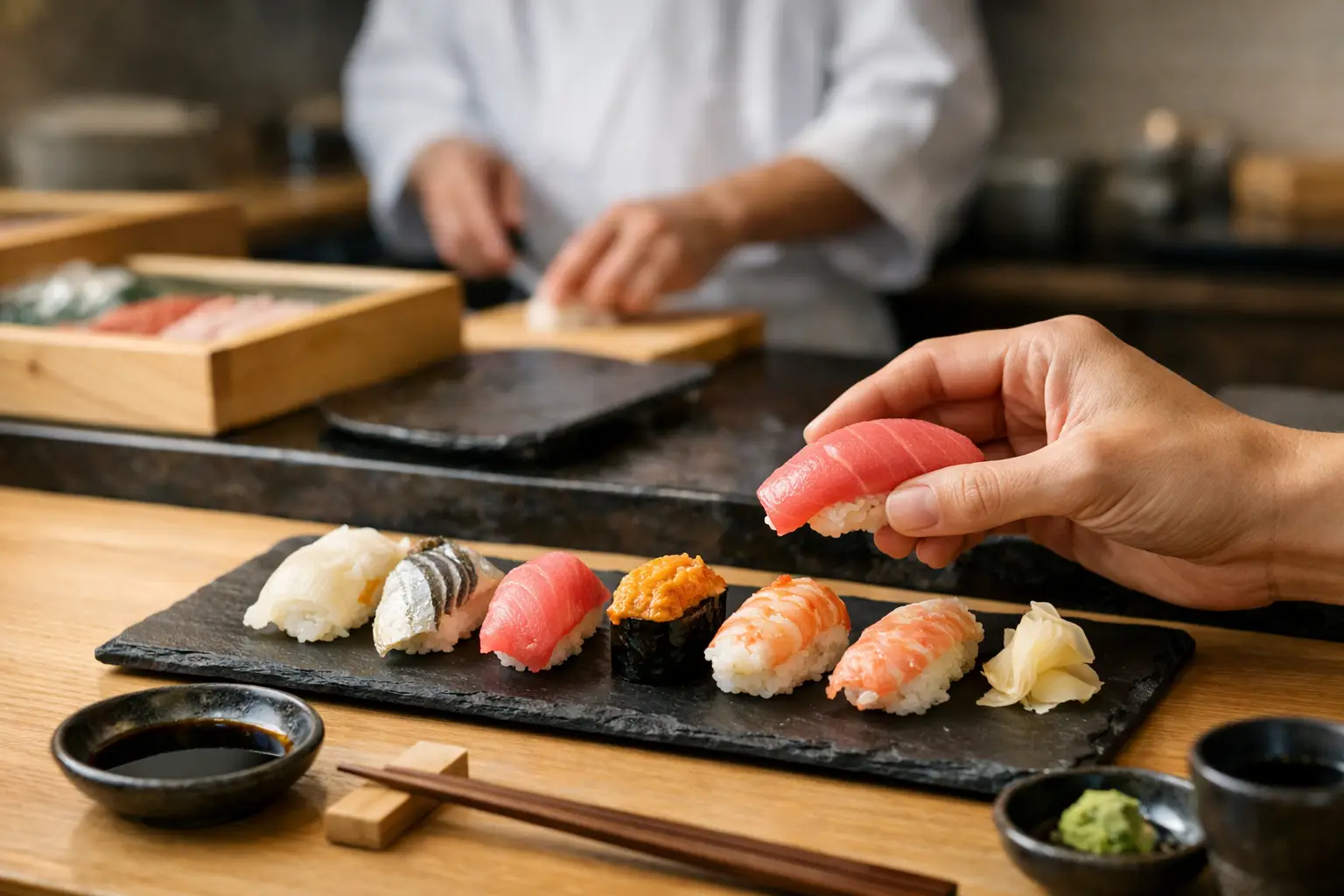
How to Choose Sushi Omakase Well
The difference between an ordinary sushi dinner and a memorable omakase is rarely just the fish. It is the feeling of being in the right room, with the right chef, at the right pace, while each course arrives with purpose. If you have ever wondered how to choose sushi omakase without guessing, the answer starts with knowing what kind of experience you actually want.
Omakase literally means leaving it up to the chef, but that does not mean every omakase is the same. Some are minimalist and almost meditative. Others feel social, stylish, and distinctly celebratory. For guests who care as much about atmosphere as precision, choosing well is less about chasing prestige and more about finding a setting where craftsmanship, hospitality, and mood come together naturally.
How to choose sushi omakase for the experience you want
Before you look at price or popularity, think about the tone of the evening. Are you looking for a quiet counter where every detail is studied in silence, or do you want something more expressive – a dinner that feels refined, intimate, and still part of a larger night out? That distinction matters more than people think.
A great omakase should match your occasion. A honeymoon dinner, a birthday by the water, or a stylish vacation evening calls for more than technical skill. You want a space with presence, polished service, and a sense of occasion. If the setting feels disconnected from the food, the meal can still be good, but it may not feel complete.
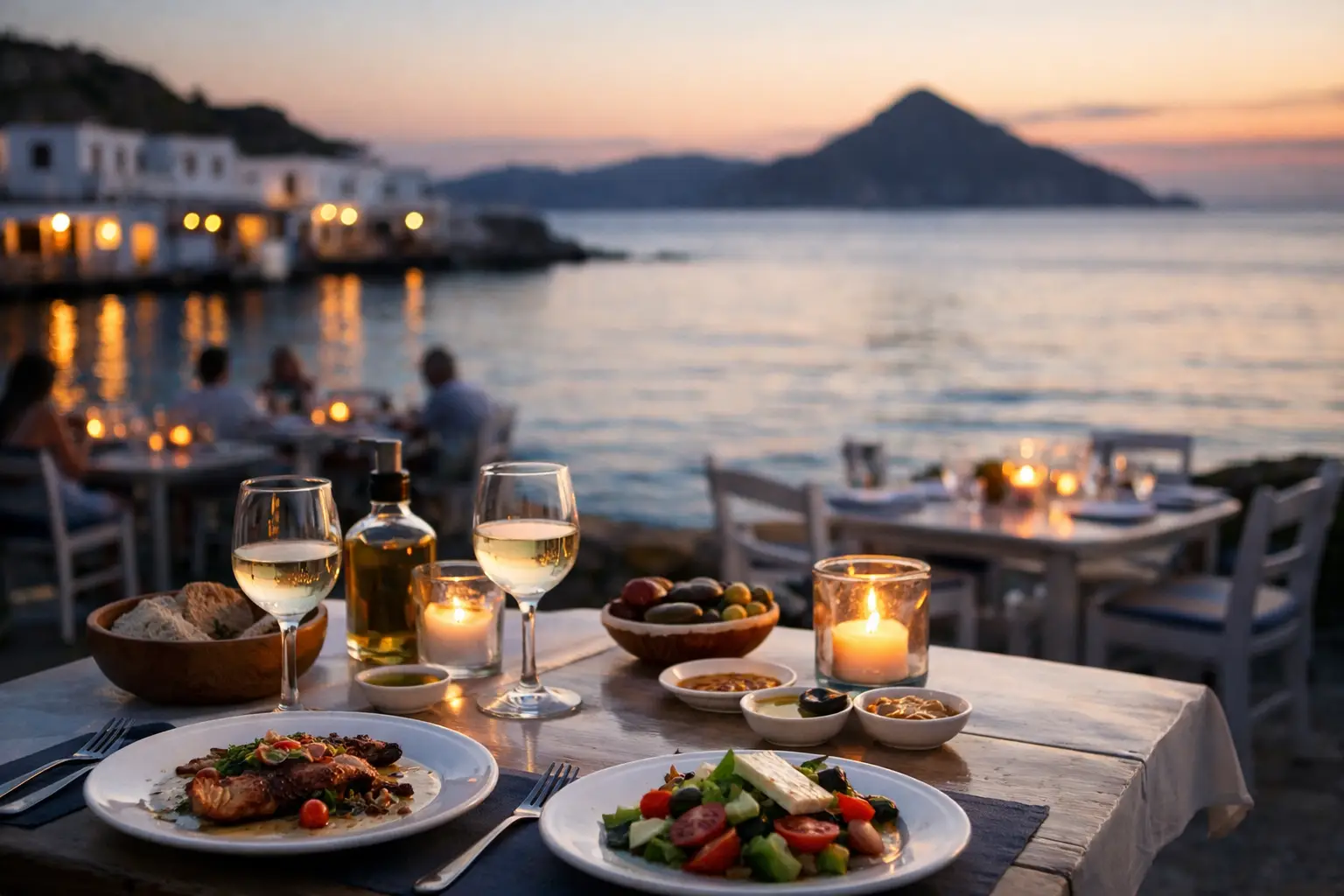
This is especially true in destination dining. When you are traveling, the best tables reflect the place as well as the cuisine. A thoughtfully designed seaside restaurant with strong sushi standards can offer something a hidden city counter cannot – a sense of atmosphere that becomes part of the taste memory.
Start with the chef’s point of view
Omakase is personal. Even when the ingredients are exceptional, the chef’s style shapes the entire dinner. Some chefs focus almost entirely on traditional Edomae expression, where seasoning is subtle and every bite is about restraint. Others bring a more modern lens, introducing Mediterranean brightness, warmer flavors, or a more playful progression of textures.
Neither approach is automatically better. It depends on what you enjoy. If you appreciate purity and precision above all, a classic format may be the better fit. If you like surprise, visual elegance, and a menu that feels designed for a long, beautiful evening, a contemporary approach can be far more satisfying.
This is where menu language becomes useful. If a restaurant speaks about seasonal fish, rice temperature, and chef-led sequencing, that usually signals a serious omakase mindset. If it also highlights cocktails, curated wine, and a broader culinary identity, the experience may lean toward lifestyle dining without losing quality. For many guests, that balance is exactly the appeal.
The best omakase feels curated, not crowded
A strong omakase menu should feel edited. Too many bites, too many sauces, or too many dramatic flourishes can blur the chef’s intention. On the other hand, a menu that is too austere may feel underwhelming if you came expecting a special night out.
Look for curation. You want progression, contrast, and confidence. The meal should move with rhythm, from cleaner flavors to richer ones, from delicate cuts to more expressive pieces, without becoming repetitive.
Fish quality matters, but so does rice
People often judge sushi by the fish alone, but experienced diners know the rice tells you just as much. In omakase, rice is not a background detail. It is structure, temperature, seasoning, and timing all at once. If the rice is too cold, too sweet, too dense, or poorly formed, the experience loses balance.
A well-executed omakase gives equal attention to both components. The fish should taste pristine and intentional, not simply expensive. The rice should hold together lightly and dissolve cleanly. That combination creates the elegance people remember.
Freshness also deserves a more nuanced view. Fresh is important, of course, but excellent sushi is not always about fish that arrived that same hour. Some varieties benefit from aging or careful curing to deepen flavor and texture. A serious chef knows when to highlight freshness and when technique should lead.
Ask what is seasonal and what is signature
If you are deciding between restaurants, pay attention to whether the menu feels seasonal or static. An omakase worth booking should have a sense of timing. What is exceptional this week or this month? What does the chef love serving right now?
Signature pieces matter too. They reveal identity. A restaurant that can describe both its seasonal highlights and its standout bites usually has a clearer point of view than one that speaks only in broad claims about quality.
The room changes the meal
Many people underestimate how much the setting affects omakase. Lighting, music, spacing, pace of service, and even the sightline from your seat all shape how the dinner unfolds. Sushi is detail-driven, and the environment should support that rather than distract from it.
That does not mean every omakase must be ultra-formal. In fact, for many modern diners, the most appealing experience is one that feels polished but not stiff. You want attentiveness without tension. Style without performance. Luxury that feels effortless.
A beautiful room can elevate the ritual of omakase, especially when the evening extends beyond the food itself. Sunset, cocktails, sea air, and a well-dressed table all contribute to memory. For guests who choose restaurants as much for ambiance as for cuisine, this is not superficial. It is part of the value.
At Hanabi Seaside Sushi Milos, that philosophy feels especially natural. Sushi tastes different when the setting carries its own kind of quiet glamour and the entire evening is framed by effortless coastal elegance.
How to choose sushi omakase by price without making price the point
Price can be a useful filter, but it should not be your only one. An expensive omakase is not automatically better, just as a more accessible one is not automatically casual or compromised. What matters is whether the pricing matches the ingredients, service level, setting, and overall composition of the experience.
A high-end omakase should deliver more than premium fish. It should offer consistency, pacing, hospitality, and a sense of care that runs through every course. If the room, service, and culinary identity all feel elevated, the higher price often makes sense.
At the same time, some diners pay for exclusivity when what they really want is enjoyment. If you are more interested in atmosphere, pairings, and a relaxed sense of occasion, a stylish restaurant with strong sushi standards may satisfy you more than an ultra-rigid counter with a famous name.
Pairings can reveal how thoughtful a restaurant really is
One of the clearest signs of a well-developed omakase program is how the beverages are handled. A restaurant that can guide you toward sake, Champagne, crisp white wine, or a clean cocktail pairing shows a more complete understanding of the experience.
This matters because omakase is about flow. The right pairing can sharpen salinity, soften richness, or stretch the evening into something more layered and indulgent. If drinks feel like an afterthought, the meal may too.
Service should feel informed, never theatrical
The best omakase service is precise and calm. Staff should be able to explain the format, answer questions clearly, and accommodate preferences where appropriate without disrupting the chef’s vision. You should feel looked after, not lectured.
That is especially important if you are newer to omakase. A great restaurant makes the format feel inviting, not intimidating. Guidance should be elegant and unobtrusive. If every detail feels overly formal or performative, the dinner can become more stressful than enjoyable.
There are also practical things worth noticing. Is the pacing comfortable? Do courses arrive with intention rather than haste? Are dietary restrictions discussed honestly? A restaurant that handles these moments gracefully is usually one that takes hospitality seriously.
Choose the omakase you will actually enjoy
Sometimes the most impressive option on paper is not the right one for your evening. If you love destination dining, ocean views, polished cocktails, and sushi presented with refinement in a setting that feels cinematic, choose that. If you want complete chef-counter immersion and almost academic focus, choose that instead.
The point is not to order the most elite omakase available. It is to choose the one that aligns with your taste, your mood, and the kind of memory you want to take with you. Great sushi is always about detail, but the best omakase is about chemistry – between chef and guest, food and setting, expectation and atmosphere.
A beautiful dinner should feel like it knew exactly who it was for from the first bite. Choose that, and the night tends to take care of the rest.
Αφήστε μια απάντηση